Centrus Energy
🇺🇸 Bethesda, US · Active
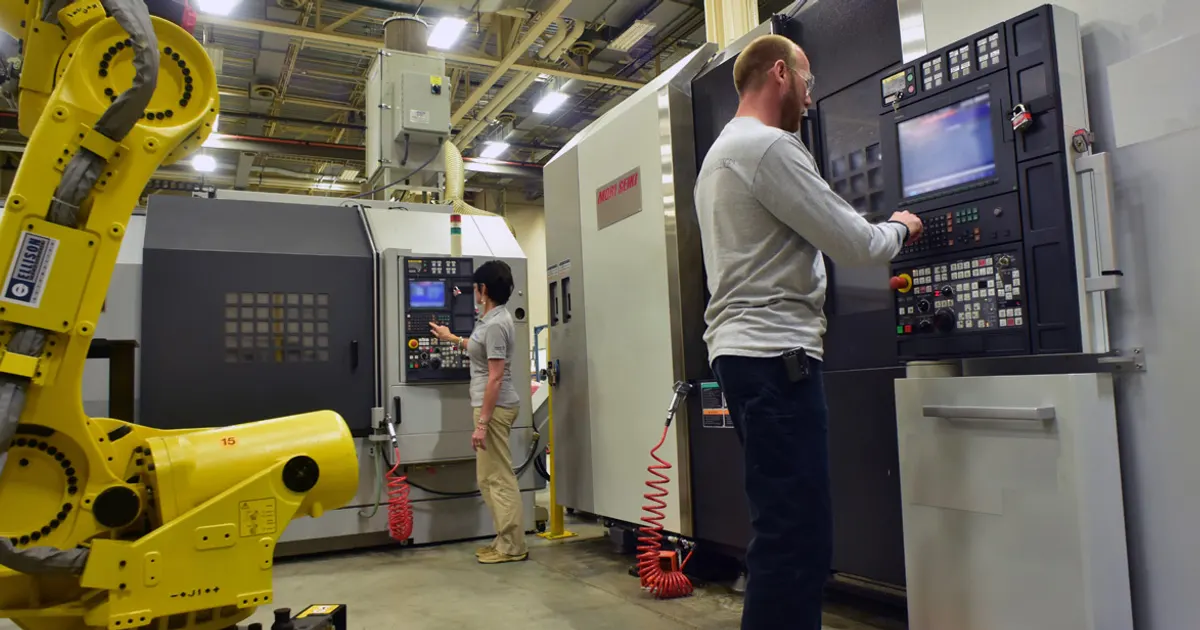
Centrus Energy, formerly USEC, is a US nuclear fuel company headquartered in Bethesda, Maryland, and listed on the New York Stock Exchange. It was created by the Energy Policy Act of 1992 as the government-owned United States Enrichment Corporation and privatised in 1998. Under a Department of Energy contract it built a cascade of 16 centrifuges at Piketon, Ohio, which in 2021 became the first US facility licensed to produce HALEU and in late 2023 began producing high-assay low-enriched uranium (HALEU), the fuel many advanced reactors need. In July 2026 it signed a $900 million Department of Energy award and said it intends to move the HALEU cascade to commercial operation.
- Sector
- Fuel cycle
- Fuel
- High-assay low-enriched uranium, Low-enriched uranium
- Role
- Supplier
Terms
- High-assay low-enriched uranium
- High-assay low-enriched uranium: uranium enriched to between 5% and just under 20% uranium-235, as the US Department of Energy defines it. It is still formally low-enriched, because the international line for highly enriched uranium is 20%, which is why many designs specify 19.75%. The binding supply constraint for many advanced reactor designs. The 5 to 10% part, which carries lighter US physical-security requirements than material from 10% up, is also tagged as LEU+. A developer calling fuel in that band 'LEU' is making a labelling choice, not describing a different enrichment.
- Low-enriched uranium
- Uranium enriched to 5% uranium-235 or less, typically 3 to 5%: the range almost all power reactors use. Formally, anything below 20% is low-enriched; this site holds the band from 5% to just under 20% separately as HALEU, with its 5 to 10% part also tagged as LEU+. A fuel above 5% uranium-235 belongs in one of those, never here, whatever a developer's own materials call it.
- Enrichment
- Raising the fissile fraction of uranium. The chokepoint of the fission fuel cycle, and the step with the heaviest non-proliferation constraints.
Related companies
Sources
- Home - Centrus Energy Corpoperator
- Centrus Energyaggregator